Please install the latest Adobe Flash Player Plugin to watch this content.
The way you stretch, for how long, and when you do it can make or break your work out. Earn That Body‘s Kim Eagle was in the studio to chat with Amanda about the importance of stretching as well as show her some good moves for the legs, arms and the neck. Kim says devoting just a few minutes to a good stretching session can make all the difference in keeping your muscles feeling magnificent.
Original article and pictures take 1.gravatar.com site
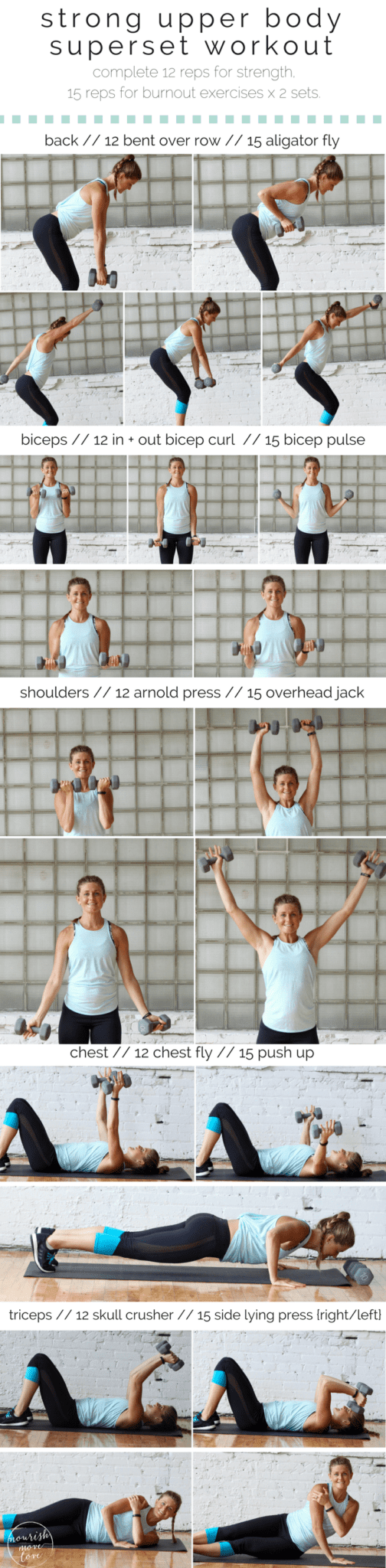
10 upper body exercises paired into a superset workout to blast and burnout your back, biceps, shoulders, chest, and triceps; making every season tank top season.
While total body training is great, I also believe in split-muscle training. Which means spending an entire workout focused on either the upper body or lower body {or 2-3 specific muscles in the upper/lower body}.
This workout specifically focuses on the upper body; pairing 10 exercises into a superset workout to strengthen and tone your back, biceps, shoulders, chest and triceps. Making every season tank top season.
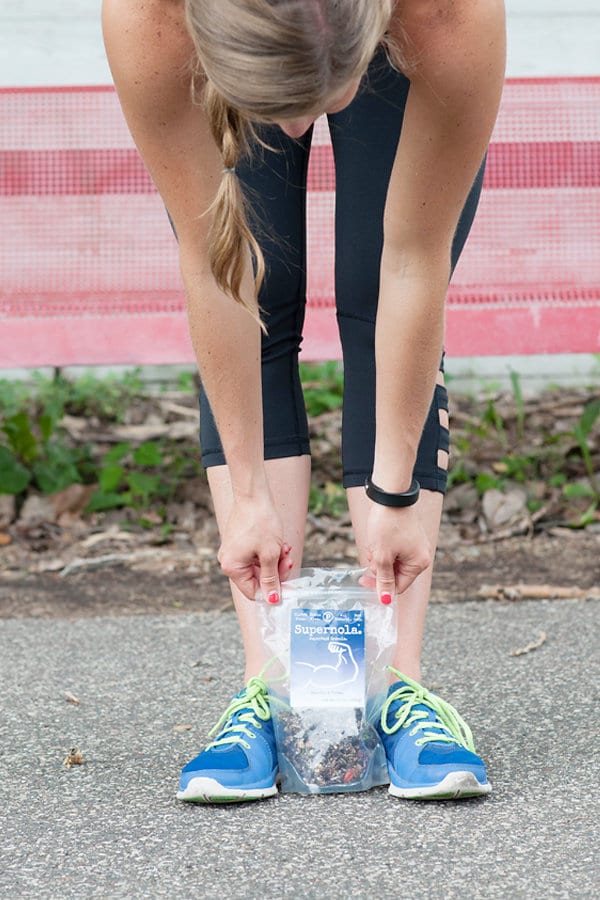
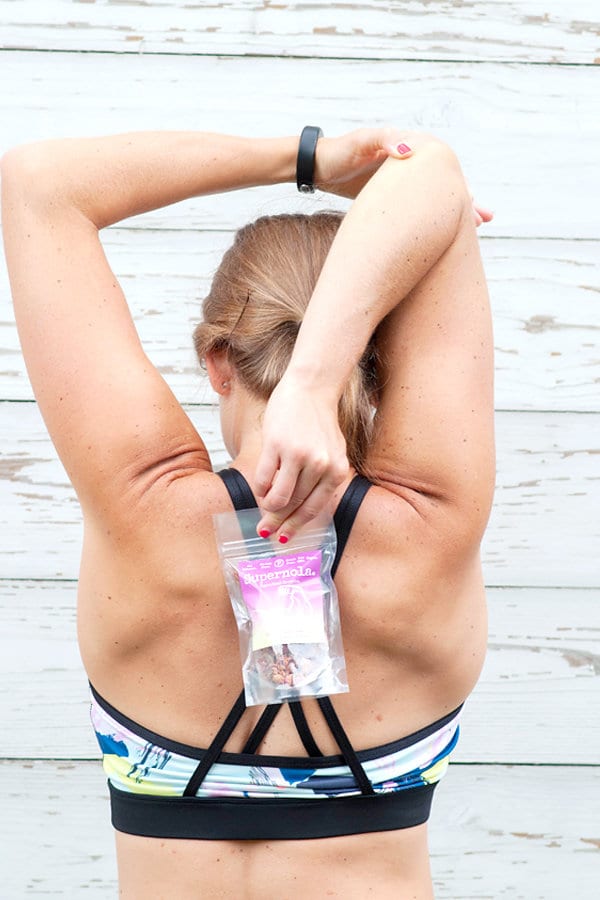
To make sure you’re well fueled before and after your strong upper body superset workout, I’ve teamed up with Supernola, the perfect pre-and-post workout snack.
So grab your dumbbells, don’t be afraid to go heavy especially on the strength exercises, and get to work!
Pair this strong upper-body superset workout with a 3 mile run, 2,000 meter row, sprint intervals, or this jumping jack cardio circuit for a well-rounded cardio + strength training workout.
the workout: strong upper body superset workout
Complete the number of repetitions listed next to each exercise below, 12 repetitions for strength exercises and 15 repetitions for burnout {toning} exercises. Repeat the entire circuit x 2 sets.
Grab a medium-to-heavy set of dumbbells and get to work!
You can also, challenge yourself and increase core engagement by balancing on one leg during the strength exercises {switching balance legs the second time through the workout}.
Back
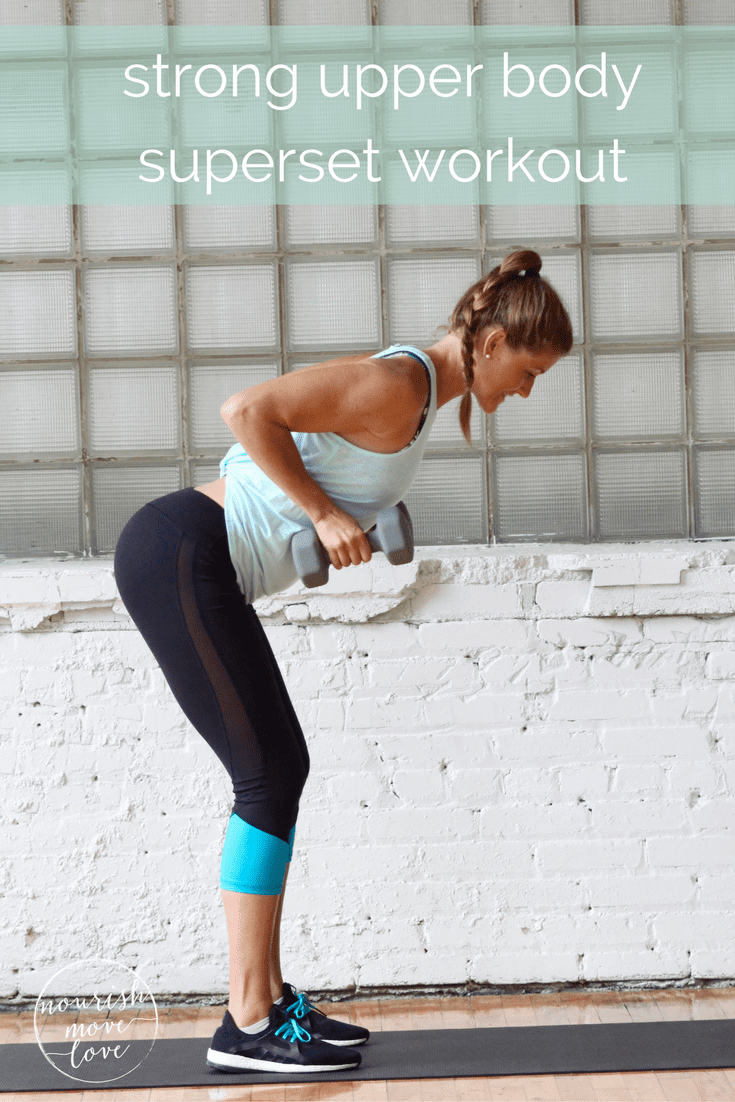
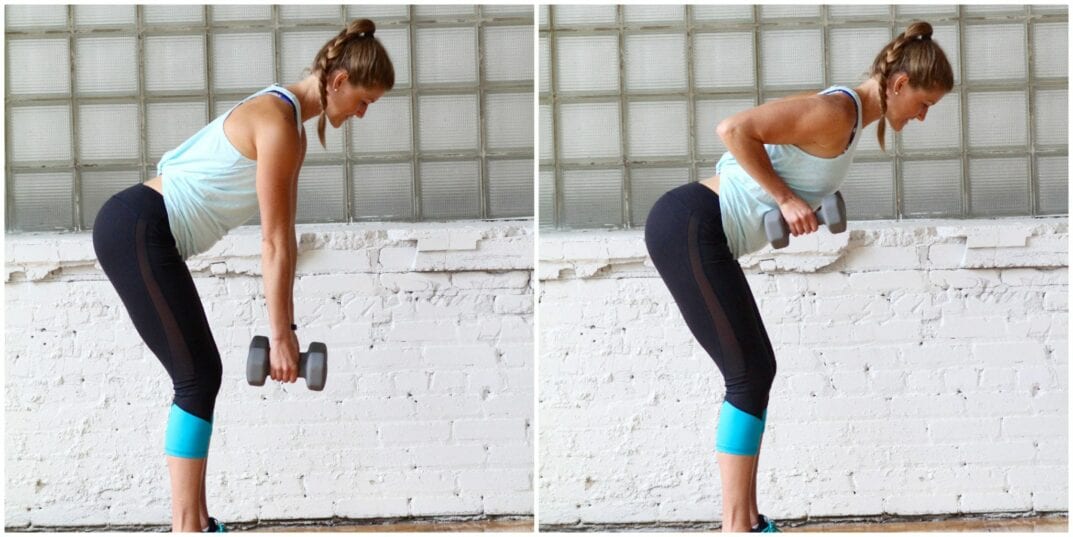
Strength 12 Reps: Bent over row
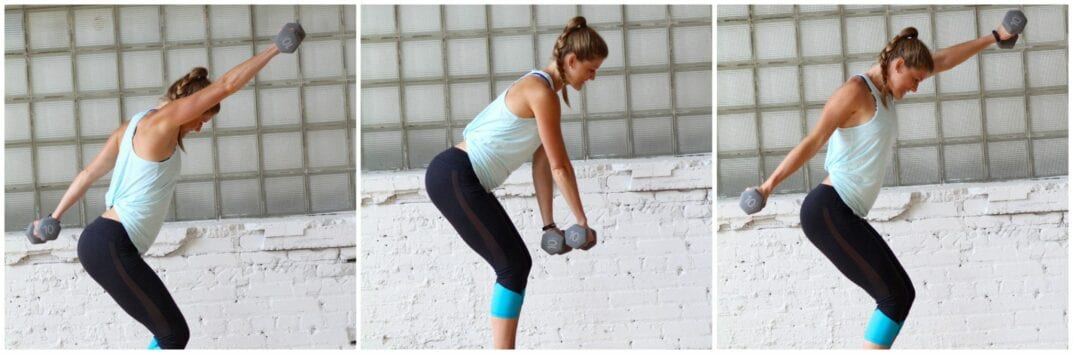
Burnout 15 Reps: Alligator fly
Biceps
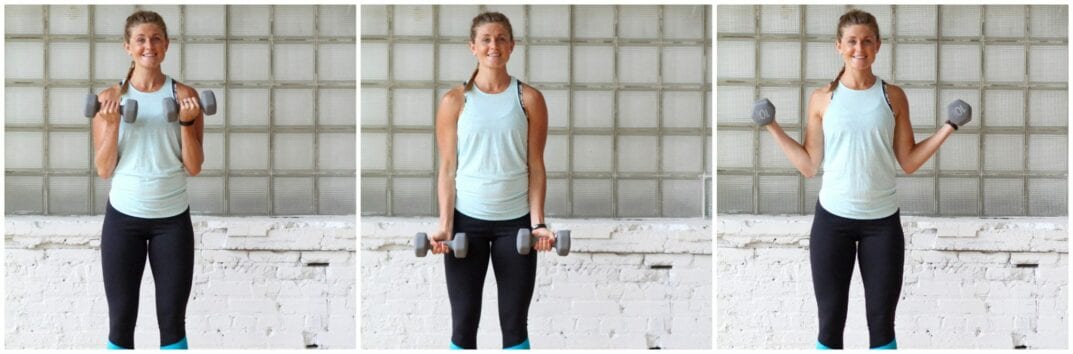
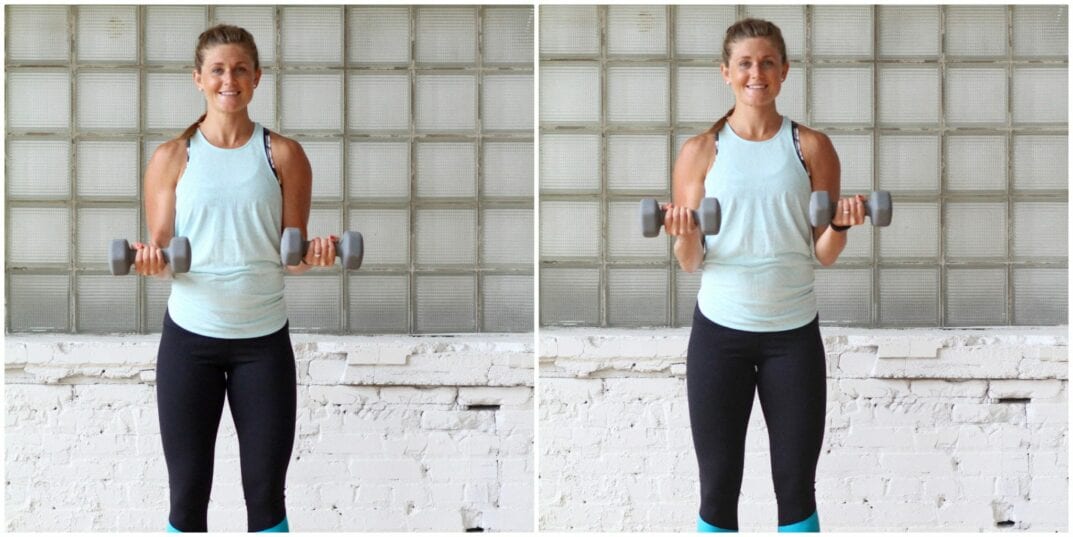
Strength 12 Reps: In + Out Bicep Curl
Burnout 15 Reps: Bicep Pulse
Shoulders
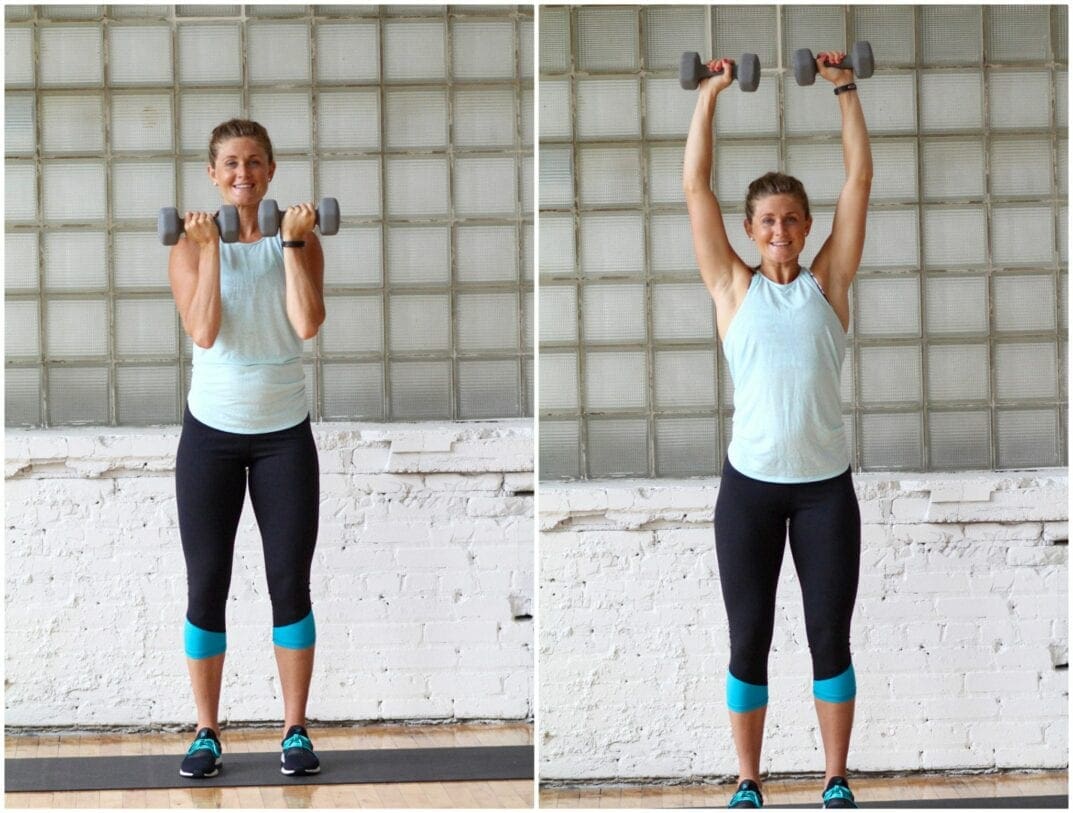
Strength 12 Reps: Arnold Press
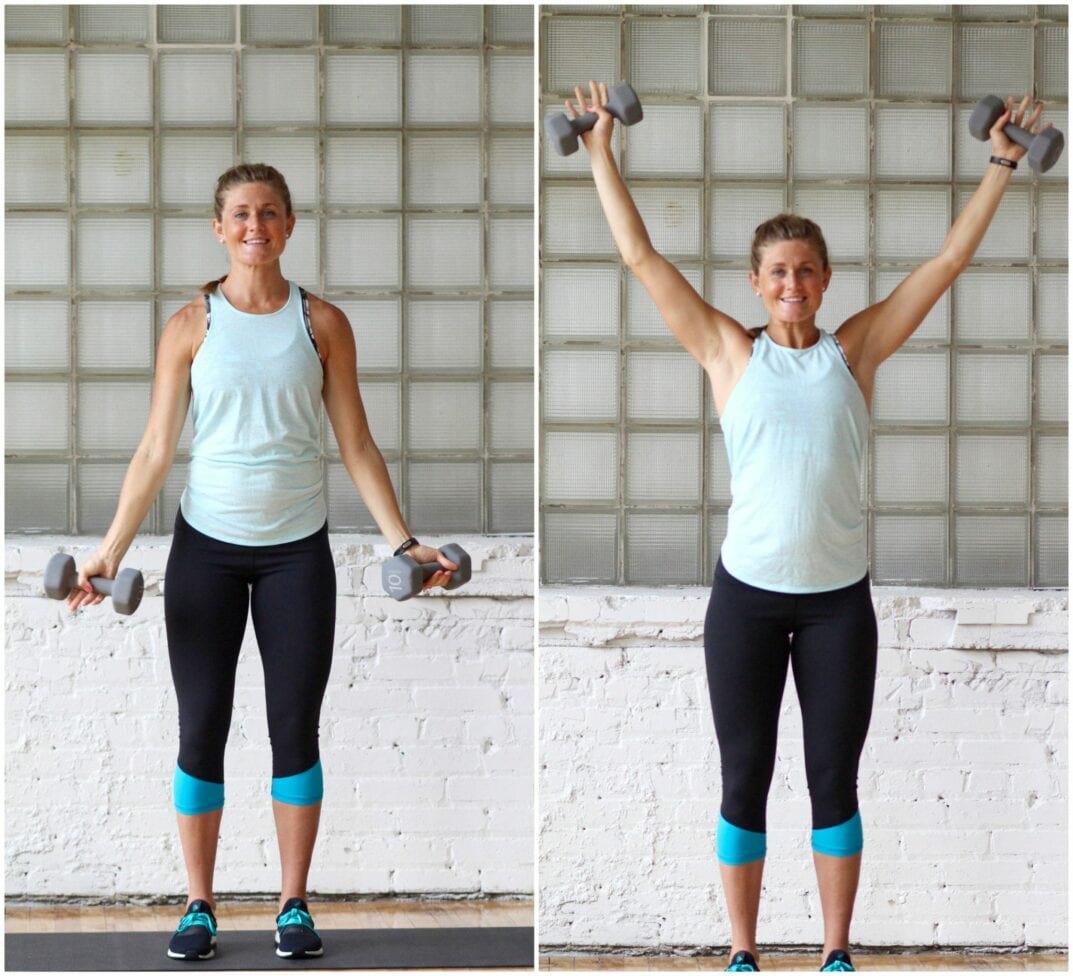
Burnout 15 Reps: Overhead Jack
Chest
Strength 12 Reps: Chest Fly
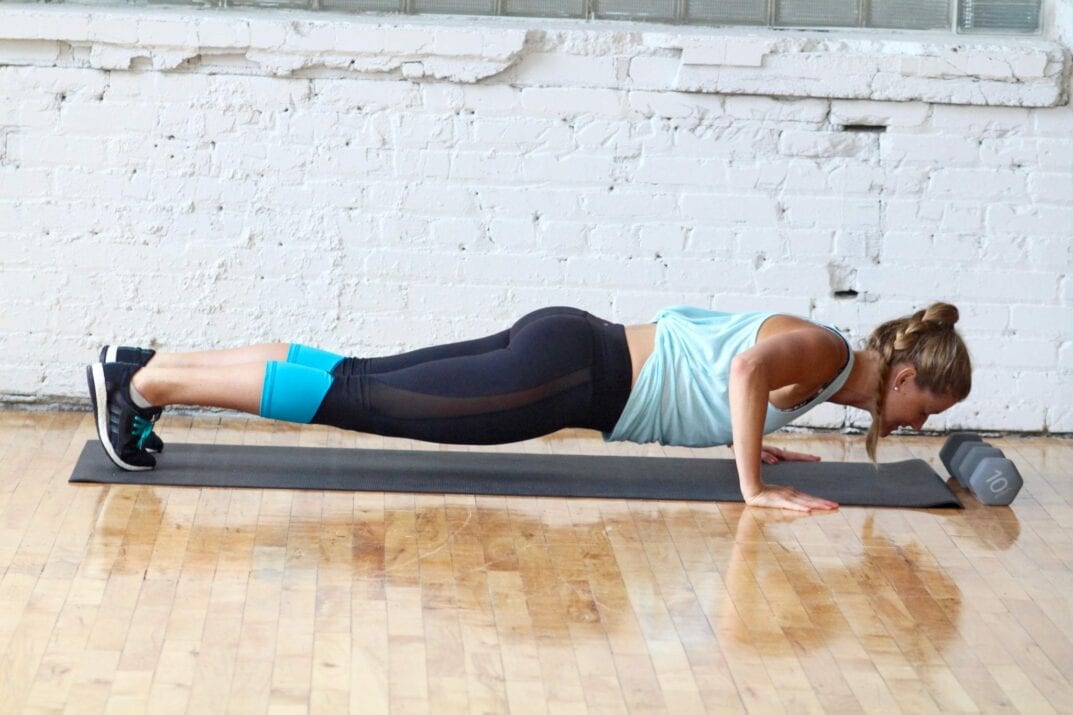
Burnout 15 Reps: Push Up
Triceps
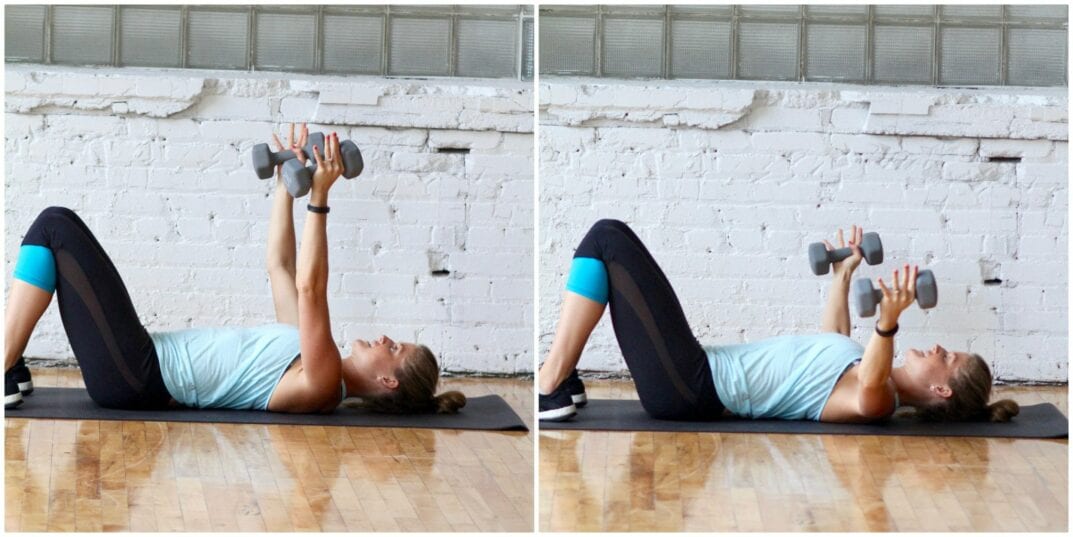
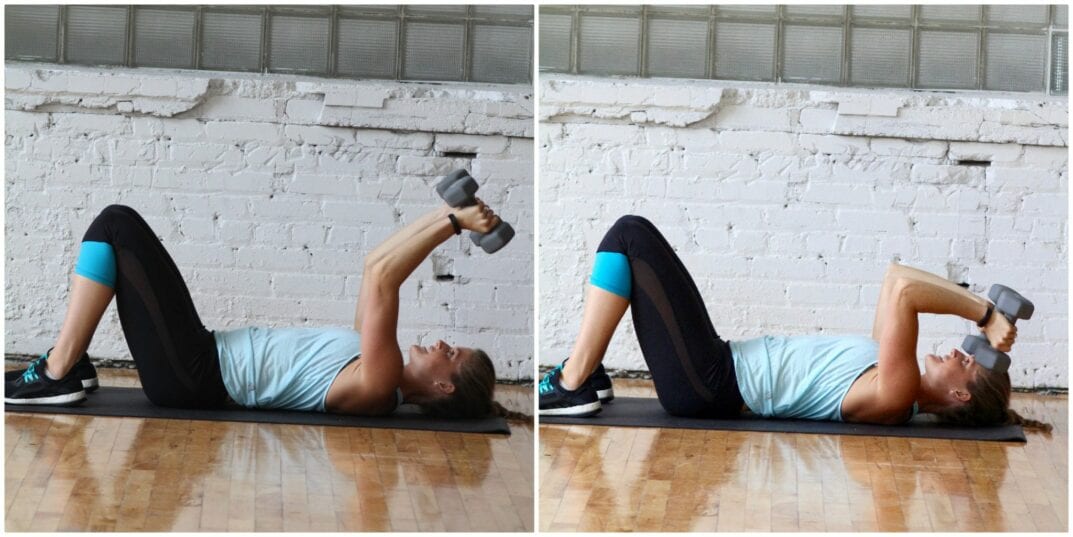
Strength 12 Reps: Skull Crusher
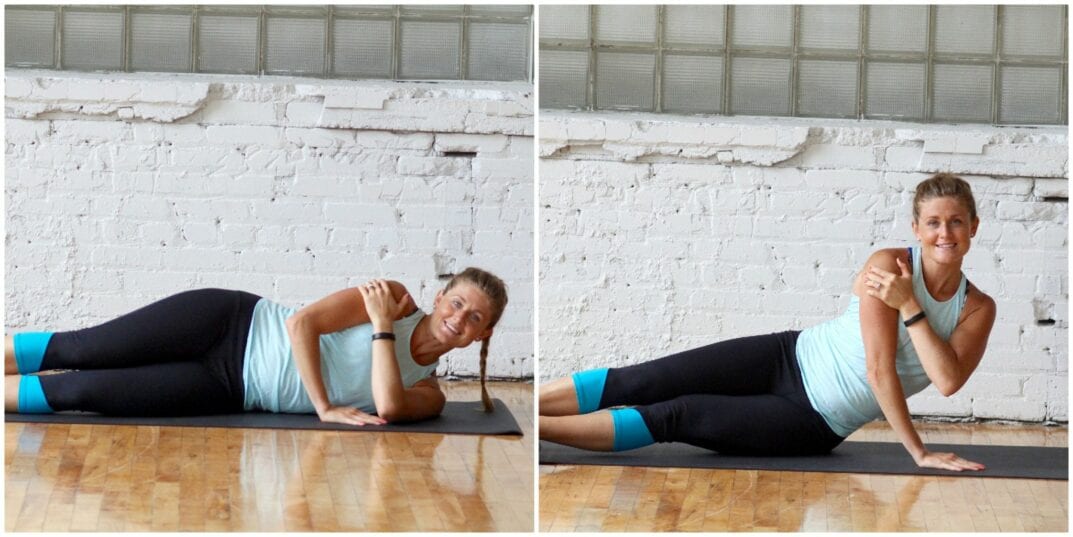
Burnout 15 Reps: Single arm-side lying press {right/left}
repeat entire workout x 2 sets for complete upper body workout.
see video above for complete workout and proper exercise form.
strength 12 reps: bent over row
burnout 15 reps: alligator fly
strength 12 reps: in + out bicep curl
burnout 15 reps: bicep pulse
strength 12 reps: arnold press
burnout 15 reps: overhead jack
strength 12 reps: chest fly
burnout 15 reps: push up
strength 12 reps: skull crusher
burnout 15 reps: single arm side-lying press {right/left}
If you’re often on-the-go like me, you know the importance of having healthy snacks on hand at all times. Enter Supernola, superfood granola that’s grain-free, gluten-free, and made with all real, non-gmo ingredients!
With four unique flavors to choose from, Supernola is the perfect pre-or-post workout fuel for women on the go! Which flavor do you want to try?
this workout is a sponsored post in partnership with Supernola. all words and opinions are my own. thank you for supporting the brands that make nourish move love and all the content you see on this blog possible.
the workout: strong upper body superset workout
Complete the number of repetitions listed next to each exercise below, 12 repetitions for strength exercises and 15 repetitions for burnout exercises. Repeat the entire circuit x 2 sets.
Back
Strength 12 Reps: Bent over row
Burnout 15 Reps: Alligator fly
Biceps
Strength 12 Reps: In + Out Bicep Curl
Burnout 15 Reps: Bicep Pulse
Shoulders
Strength 12 Reps: Arnold Press
Burnout 15 Reps: Overhead Jack
Chest
Strength 12 Reps: Chest Fly
Burnout 15 Reps: Push Up
Triceps
Strength 12 Reps: Skull Crusher
Burnout 15 Reps: Single arm-side lying press {right/left}
repeat entire workout x 2 sets for complete upper body workout.
When you think about working out—or even see it on TV, in movies, or at your own gym—does stretching come to mind? Probably not.
Stretching is easily ignored, even in commercials for gyms. Yet it's an important part of any fitness program. Like many things in life, you want to avoid extremes. Stretching is no different. What the research shows is that the "extremes" of too little flexibility and too much flexibility are likely to cause injury and problems. And while research has never proven that stretching prevents injury (that is a myth), it still has its benefits, like enhancing post-workout recovery and decreasing soreness. Most people should aim for an average to "normal" level of flexibility, but if you don’t stretch regularly, your range of motion will decline.
So how do you begin? First, never stretch before a workout. SparkPeople encourages people to stretch after their workouts, when your muscles are warmest and least prone to injury from improper stretching. Exercise loosens the muscles and joints and prepares them to be stretched. After your proper warm up, workout and cool down comes stretching.
Try to hit every muscle group when stretching. The key to proper stretching is knowing how far to go—you should feel slight discomfort, but not pain. If it hurts, you've gone too far. Here are a few more tips:
Inhale deeply.
As you exhale, slowly and smoothly stretch to a point of moderate tension, before the warm "burn" turns painful. Never bounce or jerk.
Hold the stretch for 15-30 seconds.
Breathe deeply and naturally during the stretch hold. Don't hold your breath. Stay relaxed.
Slowly return to your start position, and relax for a few seconds.
Repeat the stretch two more times, if you choose.
If possible, try to stretch a little farther each time you stretch—but don't push it.
Stretching after a workout also relaxes your muscles, increases circulation to joints and tissues, and helps remove unwanted waste products, thereby reducing muscle soreness and stiffness. Now you have all the reasons you need to make sure stretching comes after every workout.
I nostri sono Workout da eseguire tranquillamente a casa o in palestra finalizzati per un allenamento completo dei muscoli di tutto il corpo, ogni routine è incentrata su gruppi muscolari specifici.
Allenati con noi e ti accorgerai che non sono riesci a perdere peso e dimagrire velocemente, ma ti diverti facendo cardio e / o tonificazione per un corpo super sexy!!
Fai gli esercizi con Ross o balla per tonificare il tuo corpo!
Gli esercizi mostrati in questo video sono da intendersi da effettuare sotto benestare medico, sia di stato di salute per il fisico e alimentazione.
consulta sempre un medico per qualsiasi informazione prima di procedere.
CoreFx non si assume la responsabilità di danni a persone per l'errata esecuzione o se non si è in possibilità per l'esecuzione degli esercizi nei video.
Original article and pictures take s.ytimg.com site
Stretching is one of the most misunderstood activities in fitness. Because it is mostly associated with the “bend down and touch your toes” variety of exercise its importance is frequently overlooked and the benefits it can provide are lost.
As muscles grow and as they age, they change. A balanced stretching routine helps provide more even muscle growth along muscle fibers and an increased degree of flexibility, both of which provide a fuller range of motion, greater freedom to move our body as we wish and provide us with more power when we ask it to do something.
In addition to this stretching also helps achieve:
Increased flexibility in the joints
Better circulation to the muscles and joints being stretched
Increased energy levels (as better circulation brings in more oxygen and glycogen)
Better coordinated movements
Increased speed and power
There are seven different types of stretching and although some overlap and some you will probably do a little of as part of your training anyway, it’s good to take a closer look at and what they do.
Active Stretching
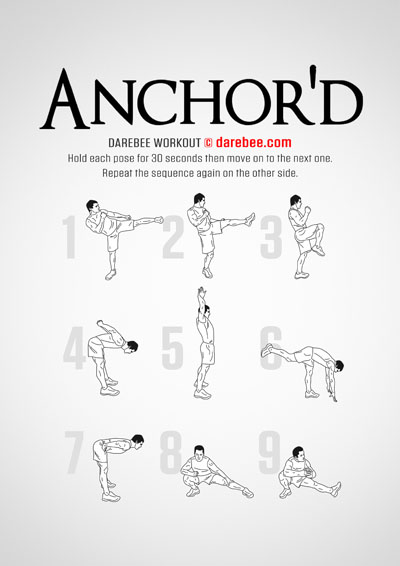
In active stretching you assume a position and hold it without any assistance other than that of the agonist (primary) muscles involved in that position. In order to hold the body in a particular position the agonist muscle groups need to tense which means that the antagonist ones begin to stretch. Holding a martial arts side kick position, for example, helps stretch the adductors and increases flexibility and kicking height for the martial artist.
Active stretching works because of a physical response called reciprocal inhibition where when one muscle group is tensed and held in position for a prolonged period of time the muscle group opposing it relaxes as there is no need for it to remain tense, and is therefore elongated. You don’t need to hold active stretching longer than 30 seconds at the most and in many cases it begins to deliver results in shorter time intervals of 10 – 15 seconds.
Yoga, in particular, uses active stretching quite a lot. Martial artists and ballet dancers also make heavy use of it. Most sports can benefit from active stretching techniques.
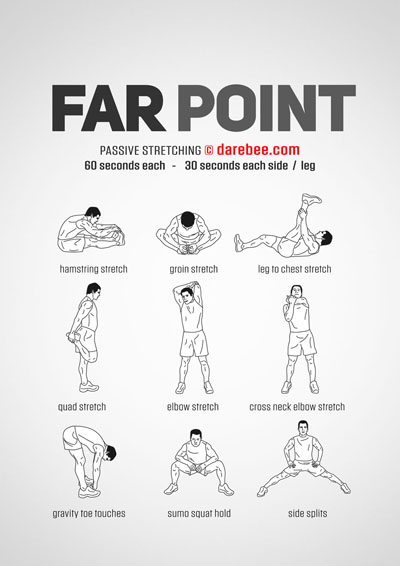
Passive Stretching
Passive stretching is an ideal form of stretching to perform with a partner. It requires the body to remain completely passive while an outside force is exerted upon it (by a partner). When used without a partner bodyweight and the force of gravity are allowed to do their thing. Passive stretching is also called relaxed stretching, for that reason.
Doing the splits is one perfect example of passive stretching. By placing your feet as far apart as possible and simply resting your bodyweight on your hips you slowly allow your legs to slide further and further apart naturally. Because passive stretching happens gradually and it requires some time in each position studies show it is ideal for rehabilitating muscles after an injury.
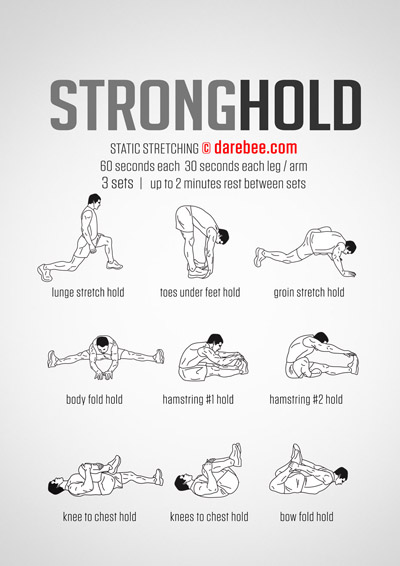
Static Stretching
Static stretching is probably the most common form of stretching and it requires a stretch to be held in a challenging but comfortable position for anywhere between ten and 20 seconds. Because it doesn’t push the body to stretch to any extremes it is frequently used as part of the warm-up routine in sports. This has led to the misconception that stretching is required in the warm up in order to prevent sports injuries and that stretching enhances sports performance.
In 2013 three independent studies looked at this from different perspectives. One, published in the Scandinavian Journal of Medicine & Science in Sports found that static stretching carried out as part of the warm up routine contributed to a decrease in muscular performance and introduced instabilities in the muscles which may also contribute to more injuries occurring, instead of less.
The second study published in the Journal of Strength & Conditioning Research found that static stretching carried out as part of the warm-up routine contributed to an immediate decrease in muscular performance. This was further backed up by the third study published in the same journal that found that long-term benefits of pre-workout static stretching were negligible at best.
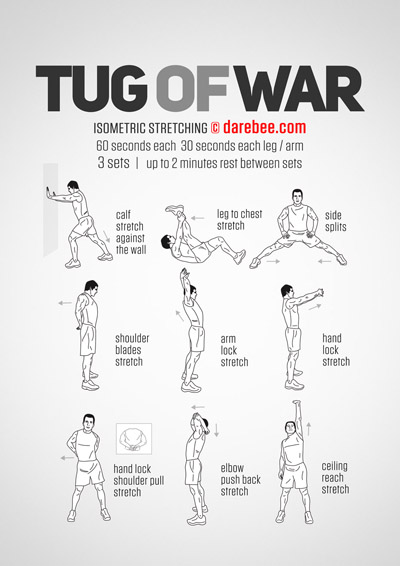
Isometric Stretching
Isometric stretching is a type of stretching that involves the resistance of muscle groups through isometric contractions (tensing) of the stretched muscles. Pushing against a wall to stretch your calves, putting your leg, straight on a bar and pulling your head down towards your knee and stretching your bicep by putting a straight arm against a wall and exerting force against it are all common examples of isometric stretching.
Because isometric stretching involves a measure of resistance there is some evidence that it helps develop muscle hypertrophy (increased muscle size) when carried out over a prolonged period of time.
Dynamic Stretching
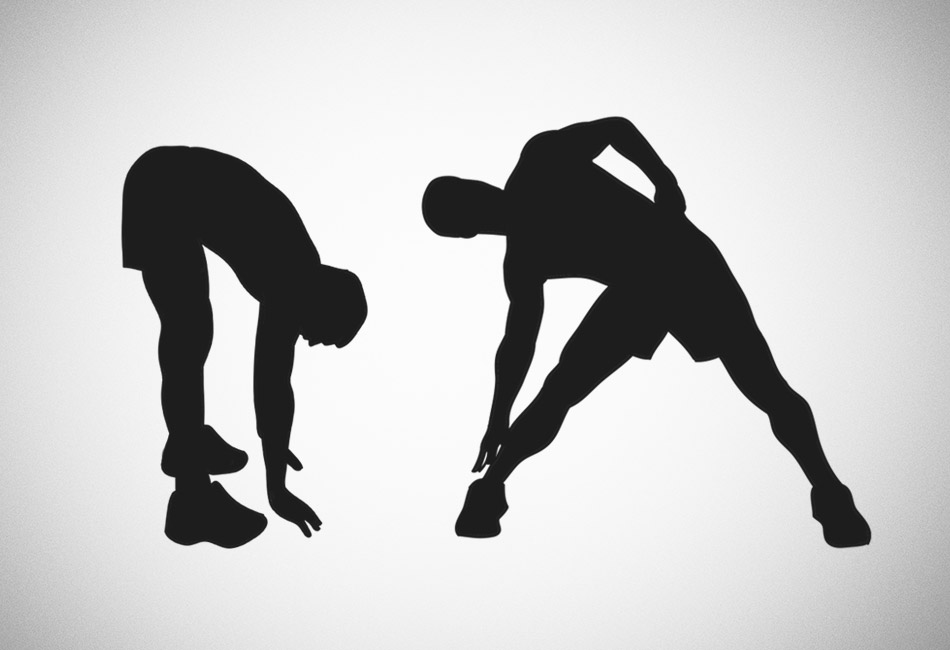
Dynamic stretching uses gentle swings to take the body and its limbs through their range of motion. Because the speed at which dynamic stretches are performed is gradual and the range of movement is within the comfort zone, dynamic stretching is one of the most highly recommended stretching routines that can be carried out as a warm-up.
Golfers, boxers, martial artists and ballerinas routinely use dynamic stretching as part of their preparation routine for high intensity activity. A 2011 study published in the European Journal of Applied Physiology found that dynamic stretching provided increased performance for sprinters and athletes involved in high intensity activity.
A further, independent study, published in 2012 in the Journal of Sports Science and Medicine compared the benefits of dynamic versus static stretching for high intensity athletes and found that those who used only dynamic stretching in their warm up performed better than those who uses static stretching routines. However, those who combined both had a better range of movement (ROM0 overall, suggesting that a mixed routine could deliver superior results.
Ballistic Stretching
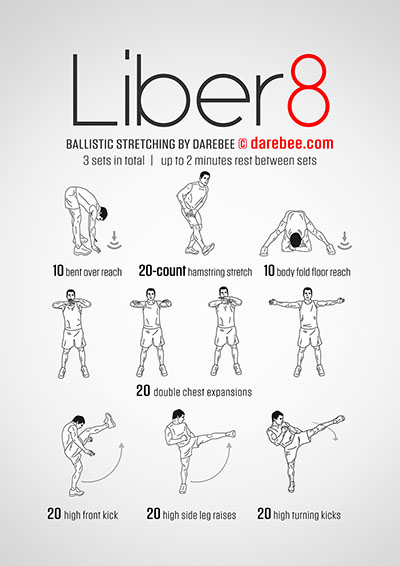
Ballistic stretching is a form of stretching that uses bounce and muscle explosion to force a stretch through a range of movement or a fixed position. This is probably the one type of stretching that’s got the worst rap from the American Academy of Orthopedic Surgeons who frequently cite it as one of the most common causes of injuries suffered during warm up and stretching routines.
Because ballistic stretching pushes the body beyond its comfort zone it should never be tried without an adequate warm-up. This warning also suggests that to use it as a warm-up is contra-indicatory. Ballistic stretching is routinely used by (properly warmed-up) martial artists, ballet dancers and gymnasts to take the body part its comfortable range of motion and achieve flexibility and range of motion gains.
Studies on ballistic stretching show that when performed post-workout or as standalone workouts it can provide greater benefits in the range of movement and contribute to better performance, something that martial artists, gymnasts and dancers know only too well.
PNF Stretching
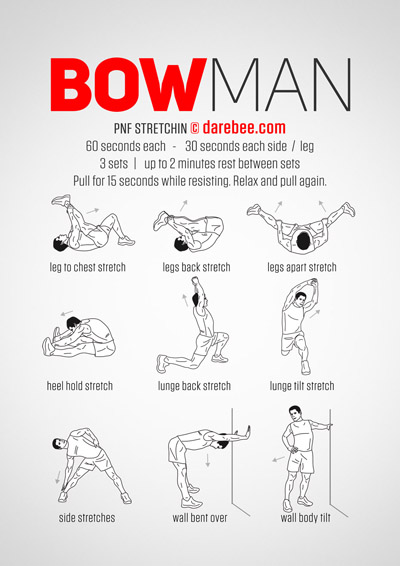
PNF stretching which is also known as proprioceptive neuromuscular facilitation stretching, is a set of stretching techniques that can increase both active and passive range of motion and provide real gains in flexibility.
A study published in the Animal Science Journal found that stretching (which includes PNF) can activate the muscle building pathways leading to increased strength and muscle size as long as the stretching is performed after high intensity exercise.
When it comes to stretch routines PNF is probably the king of stretches using resistance against an applied force, followed by relaxation and a repetition of the stretch to achieve rapid gains in flexibility, joint strength by eliciting four separate, sometimes overlapping responses: autogenic inhibition, reciprocal inhibition, stress relaxation, and the gate control theory. All of these are explained in detail in a study on PNF benefits published in the Journal of Human Kinetics.
When Should Stretching Take Place?
If you are using stretching in your pre-workout warm-up routine you should use either Dynamic stretching or PNF, otherwise all stretching should happen post-workout, when the muscles are thoroughly warmed up or it should be a workout all of its own (on a separate day) like the Darebee Stretching Workouts we put together (you can search the site for more).
Studies show that there is no evidence to suggest that pre-workout stretching reduces injuries, on the contrary they show that pre-workout stretching usually affects the ability of the muscles to give 100%. The same studies also show that post-workout stretching and stretching that is part of a separate workout routine deliver greater range of motion benefits and help increase muscle strength, speed and agility.
The bottom line is that stretching is definitely needed and it will always help you achieve more with your body but you should choose carefully when you do it and what type of stretching you do. You can always use a variety of stretching exercises rather than just stick to one particular type of stretching and you should always have some kind of stretching factored in, to maintain the health and elasticity of your muscles.
7 Stretching Workouts
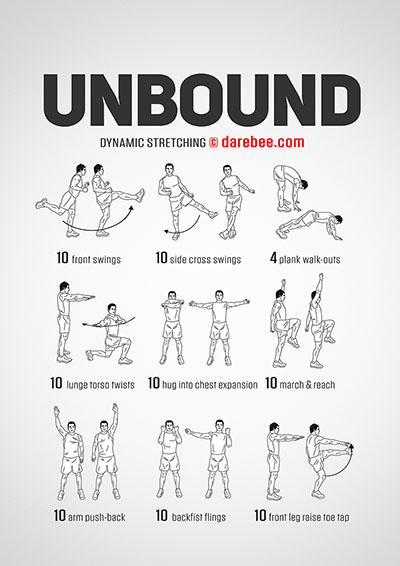
Unbound Workout
Stronghold Workout
Anchored Workout
Tug of War Workout
Far Point Workout
Bowman Workout
Liber8 Workout
Sources
1. Medicine ACoS ACSM's guidelines for exercise testing and prescription. 7th ed. Baltimore: Lippincot Williams Wilkins; 2006
2. Page P, Frank CC, Lardner R. Assessment and treatment of muscle imbalance: The Janda Approach. Champaign, IL: Human Kinetics; 2010
3. McHugh MP, Cosgrave CH. To stretch or not to stretch: the role of stretching in injury prevention and performance. Scandinavian journal of medicine & science in sports. Apr 2010;20(2):169–181 [PubMed]
4. Sharman MJ, Cresswell AG, Riek S. Proprioceptive neuromuscular facilitation stretching: Mechanisms and clinical implications. Sports Medicine. 2006; 36(11): 929-39.
5. Small K, Mc NL, Matthews M. A systematic review into the efficacy of static stretching as part of a warm-up for the prevention of exercise-related injury. Res Sports Med. Jul 2008;16(3):213–231 [PubMed]
6. Wicke J, Gainey K, and Figueroa M. A comparison of self-administered proprioceptive neuromuscular facilitation to static stretching on range of motion and flexibility. Journal of Strength and Conditioning Research. 2014; 28(1): 168–172.
7. Willardson, JM. The application of training to failure in periodized multiple-set resistance exercise programs. J Strength Cond Res 21: 628–631, 2007
8. Vetter, R.E. (2007) Effects of six warm-up protocols on sprint and jump performance. Journal of Strength and Conditioning Research 21, 819-823.
Original article and pictures take darebee.com site
Stretching Before Running Neither Prevents Nor Causes Injury
Over 70 million individuals all over the world run competitively or recreationally, and there has recently been debate with regards to whether runners ought to be stretching before a run, or not at all. This study included 2,729 runners who run 10 or more miles per week.
Of these runners, 1,366 were randomized to a stretch group, and 1,363 were randomized to a non-stretch group before running. The runners from the stretch group stretched their hamstrings, quadriceps, and gastrocnemius/soleus muscle groups. The whole routine took three to five minutes and was carried out immediately before a run. The research discovered that stretching before running doesn’t prevent or cause injury. Actually, the most significant risk factors for injury were the following:
History of chronic injury or injury in the past 4 months;
Changing pre-run stretching regimens (those who usually stretched, stopping and those who did not stretch, stretching before a run).
As the study author is a runner himself, he assumed stretching before running would help to prevent injury. The researchers found that the risk for injury was identical for women and men across all age groups, even if they were low or high mileage runners. However, the more miles run or the more heavy and older the runner was, the more likely they were to get injured, and prior injury within 4 months predisposed to even additional injury.
Runners who usually stretch as part of their pre-run routine and were randomized not to stretch throughout the study period were far more prone to experience an injury. Even though all runners switching routines were more prone to experience an injury than the runners who didn’t switch, the group of runners that stopped stretching experience more injuries, indicating that a sudden shift in a routine could be more important than the routine itself.
The most frequent injuries suffered were knee injuries foot/ankle injuries, and groin pulls. There wasn’t any significant difference in the rate of injuries between the runners who stretched and those who did not for any particular injury.
Image Source: QuickQuid Image Source: Pumps & Iron Original article and pictures take www.ahealthblog.com site
You may have heard that stretching and flexibility can make a big difference for runners. Are those rumors true? What are the best stretches for runners?
Let's take a look at some of the best stretches for runners (to be done, of course, after warming up.)
John P. Kelly/Iconica/Getty Images
The standing calf stretch should be done only after a good warm-up and/or at the end of your runs. For runners the calf, or gastrocnemius, muscle is prone to a calf pull or strain. Improving your range of motion through calf stretches may lower your risk of these injuries. Progressive calf stretching exercises may also be part of your recovery routine if you do suffer from a calf strain.
The standing calf stretch is similar to the Achilles tendon heel stretch, but by keeping your knee straight you focus the stretch on the calf rather than the Achilles tendon.
HENNING DALHOFF / Getty Images
The standing IT band stretch is an exercise that may help those who are living with iliotibial band syndrome. It can be helpful to work with a physical therapist to make sure you are performing these stretches properly.
The iliotibial (IT) band is a tough group of fibers that run along the outside of the thigh down to the knee and can cause nagging pain on the outer surface of your knee and upper leg. Iliotibial band syndrome is a common running injury that is generally due to inflammation and irritation of this band.
Hero Images / Getty Images
The standing quad stretch can be a good stretch for most runners, especially those who will be running hills.
The quads get used a lot in the running movement (particularly downhill running.) There are a lot of ways to attempt to stretch the quadriceps, but if you keep your hips stable, this is a good one to do while standing.
Hero Images / Getty Images
The seated hamstring stretch or "sit and reach flexibility test" can be used both as a stretching exercise and to assess your lower back and hamstring flexibility.
Because tightness in the low back and hamstrings are often related to muscle pain and stiffness in runners, this stretch can help maintain good running form and reduce the risk of stiffness, pain, and injury.
Westend61 / Getty Images
The hip flexors and psoas stretches can keep you more limber when running uphill, but as with all of these stretches, should not be done until you have first warmed up.
The hip flexors are often overused in runners. These muscles pull the legs up toward the trunk and runners rely on these muscles, particularly when running uphill.
PeopleImages / Getty Images
The simple shoulder stretch is a stretching exercise that is easily overlooked, but no less important. It can be used to open your upper chest and improve your posture not only when running, but in your day to day life and any other sports endeavors you undertake.
Runners, especially, sometimes forget to stretch their upper body. Simple shoulder structures can be done quickly and make a good choice. Upper body stretches for cyclists may similarly help you pay attention to your upper body.
The plantar fascia is a band of tough connective tissue that runs along the bottom of the foot to the heel and supports the arch of the foot. This band of tissue absorbs the impact each time your heel hits the ground when running. This repeated impact can lead to tears in the fascia, which in turn causes pain.
Hero Images / Getty Images
The advanced piriformis stretch or advanced iliotibial band stretch is sometimes called the "Pigeon Pose" in yoga.
As noted earlier, iliotibial band friction syndrome due to tightness and lack of flexibility in the iliotibial band can give rise to knee pain in runners.
Quinn Rooney / Getty Images
The kneeling quadriceps stretch is a variation of the standing quad stretch discussed earlier. The kneeling version seen here is another way to get the quads stretched out after a run.
Hamish Blair / Getty Images
Another alternative yet to the kneeling quad stretch and the standing quad stretch is the quad stretch with an exercise band seen here. This quad stretch is best done after your runs when you have some time to relax and get the most out of this long, slow stretch.
A Word From Verywell
While we have long thought that stretches played an important role in reducing running injuries and improving performance, though this is currently a controversial topic. What this means is that it's important to listen to your own body when calculating the benefit of stretches. It does appear that many of these stretches should only be done after a satisfactory warm up. Talking with a coach, trainer, or physical therapist can also be helpful in designing the right warm up and stretching program for you as an individual.





/10029156-56b747365f9b5829f8380043.JPG)
/leg-muscles-in-running--artwork-168835162-5a222f944e4f7d0037fa2919.jpg)
/female-runner-stretching-legs-on-sidewalk-753289369-5a222eb889eacc00377c017e.jpg)
/male-marathon-runner-stretching-legs-on-sunny-urban-bench-746028673-5a222fe522fa3a003723c132.jpg)
/smiling-woman-doing-yoga-exercise-in-studio-694035247-5a2230845b6e24001a7c1f51.jpg)
/she-s-dedicated-to-her-fitness-481431423-5a2230b7494ec90037d9ba3d.jpg)
/image-of-person-s-feet-standing-on-tiptoes-on-tile-floor-in-bathroom--close-up-medfr01563-5a22334d980207003677aff7.jpg)
/woman-practicing-yoga-in-pigeon-pose-536906997-5a2231e0842b170019cb2636.jpg)
/melbourne-demons-training-session-621533838-5a2232a747c2660037bb4025.jpg)
/australia-cricket-team-training-73960940-5a223303482c5200378ff767.jpg)